THE SENSOR
A heat detector, fooled
Research using capsaicin found TRPV1, a sensor in nerve endings that is activated at temperatures we feel as painful. The work won the 2021 Nobel Prize.
How it works doodlehot
TRPV1the heat sensor
Its capsaicin switches on a sensor in our nerve endings that normally fires at painfully high temperatures, so the brain reads it as burning. Knowing that explains where the heat sits and what calms it.
Updated
THE SHORT ANSWER
Chilli burn is a sensation, not a flavour.
It comes from one compound and one sensor.
THE SENSOR
Research using capsaicin found TRPV1, a sensor in nerve endings that is activated at temperatures we feel as painful. The work won the 2021 Nobel Prize.
How it worksTHE PEPPER
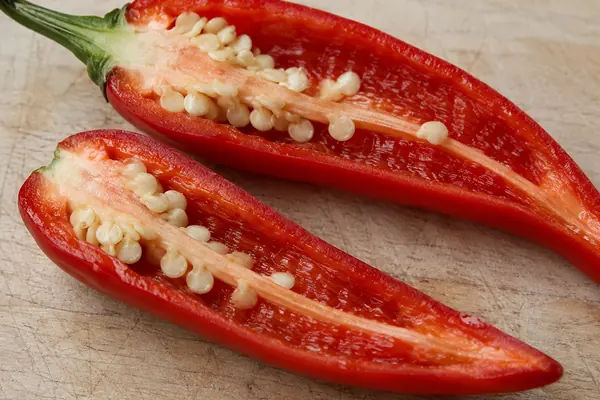
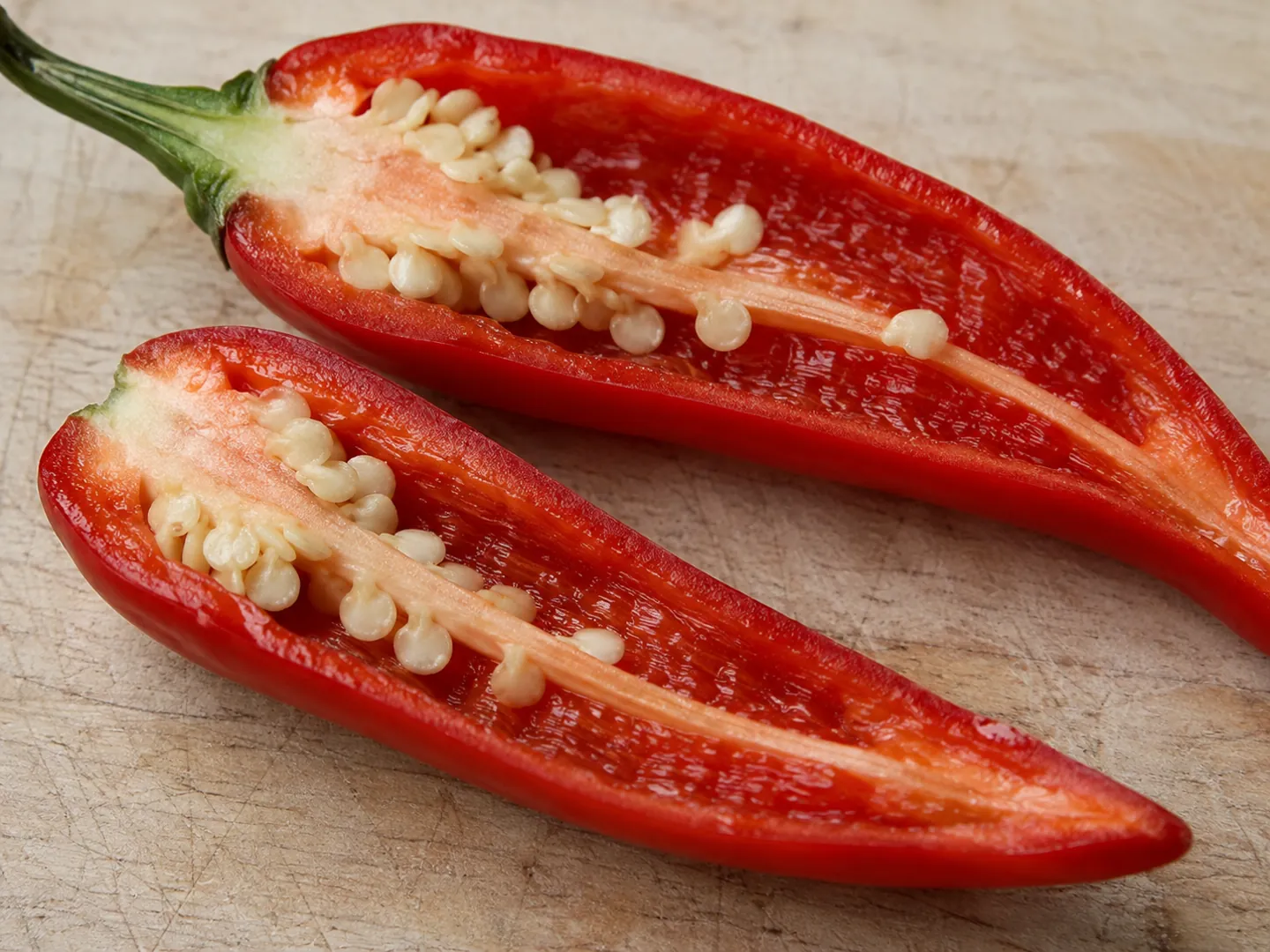
University of Arizona extension says the heat comes from capsaicin glands along the placenta, the pale ribs. Seeds just sit close by.
Handling tipsTHE FIX
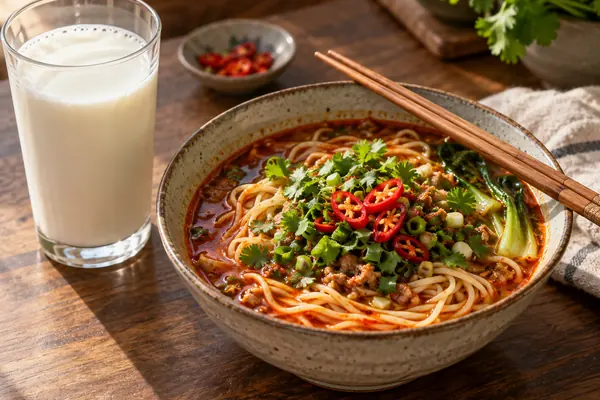
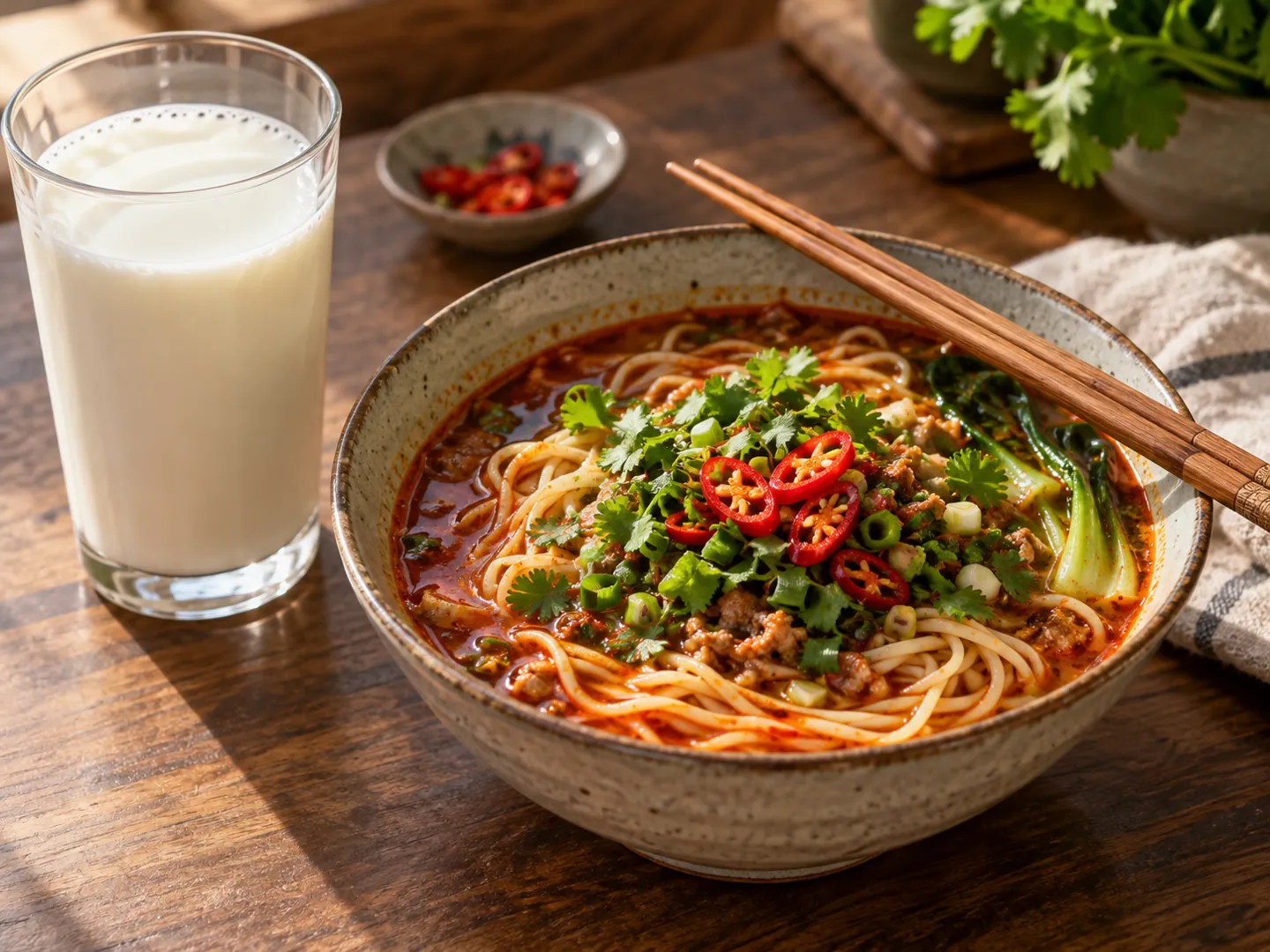
In a Penn State study, whole and skim milk cut the burn most. Fizzy drinks did poorly, and alcohol makes it worse.
Compare drinksA QUICK DRINK CHECK
Pick a drink to see how it did in Penn State's taste tests on capsaicin burn. The bar shows how much it helped.
Based on Penn State Sensory Evaluation Center studies published in 2019 and 2024.
TWO NUMBERS WORTH KNOWING
How far the Scoville scale stretches,
and how many chilli species people grow.
16million SHU
Scoville heat units of pure capsaicin
University of Arizona extension says pure capsaicin measures 16,000,000 Scoville heat units. On the same scale, sweet peppers score 500 or less.
PURE CAPSAICIN · U. ARIZONA
5
Domesticated chilli pepper species
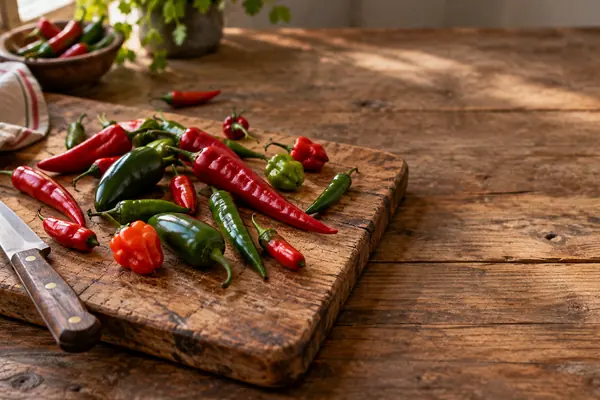
Capsicum annuum (bell, jalapeño, cayenne), frutescens, chinense (habanero, Scotch bonnet), pubescens and baccatum. Chillies were among the first crops domesticated in the Americas.
SPECIES · U. ARIZONA
The original Scoville test dilutes a chilli extract in sugar water until a panel of tasters can no longer detect heat. Modern labs measure capsaicinoids directly by liquid chromatography (HPLC).
FOUR KITCHEN HABITS
Extension guidance from US universities covers handling and taming chillies. None of it needs special kit.
The inner ribs hold the capsaicin glands. Removing them reduces a chilli's heat.
Colorado State University extension advises gloves and glasses when handling chillies, to protect skin and eyes.
To remove capsaicin from skin, rub with vegetable or olive oil, wipe off, then wash well with soap and water.
Heat varies by variety, and within one type it can vary, possibly by a factor of 10 or more, with seed, climate and soil.
THE NOBEL CONNECTION
In the late 1990s, researchers searched millions of DNA fragments from pain-sensing nerve cells for the one that made cells respond to capsaicin. They found a single gene, for an ion channel now called TRPV1.
TRPV1 is activated by heat we perceive as painful, which is why capsaicin feels like burning. Related work used menthol to identify TRPM8, a sensor activated by cold. The 2021 Nobel Prize in Physiology or Medicine recognised these discoveries.
Questions
No. University of Arizona extension says the heat comes from capsaicin glands along the placenta, the inner ribs. Seeds are blamed because they are attached right next to it.
Originally, a measure of how far a chilli extract must be diluted in sugar water before tasters stop detecting heat. Labs now measure capsaicinoid content directly and convert it to Scoville units.
Not according to Penn State tests: skim milk cut the burn about as well as whole milk. A 2024 study found higher-protein milks, including high-protein soy milk, worked better.
Carbonated drinks did poorly in Penn State's tests, and the researchers say alcohol amplifies the burning sensation.
The 2021 Nobel Prize announcement describes how menthol was used to identify TRPM8, a receptor activated by cold, just as capsaicin led to the heat sensor TRPV1.
ABOUT THIS NAME
doodlehot.com is part of the DoodleSale portfolio. It isn't in an auction right now, but you can ask about leasing it.